Selecting a B2B Casino Platform: Core Components and Costs
Understanding B2B Casino Platforms and Their Core Components
After ten years in the industry, I see a B2B casino platform as the invisible engine of an online gambling business. It's not just a library of slots from numerous casino game providers. This foundational software handles everything from user accounts to the cashier and includes essential casino platform features. A modern casino software suite typically licenses for €80,000 to €200,000 upfront. The cost reflects its complexity, bundling player management, game aggregation, and a secure payment gateway into one white label solution. For a prime example of such integrated igaming platform solutions, visit https://turnkeycasino.ca/ to see a fully operational system. Their comprehensive casino aggregation software demonstrates how top-tier B2B providers streamline the entire operation for new igaming businesses, ensuring rapid market entry with a polished and secure product.
Key Features of Modern Casino Aggregator Software
A great aggregator does more than just compile games. Here are the non-negotiable features I require:
- Single API integration for 10+ top slot game providers like Pragmatic Play.
- Real-time GGR and player stats dashboard.
- Automated tournament management with configurable prize pools.
- Multi-currency and multi-language backend support.
- Fraud detection engine with custom rule builder.
I've tested platforms missing these and the operational headaches are immense. The dashboard's quality is paramount. My favorite casino management software updates player metrics every 30 seconds, not daily. That speed is crucial for live decisions on bonuses and marketing.
The Role of Game Providers and Slot Aggregators in Content Supply
You can't build a slots platform for casinos without understanding this content supply chain. Game providers develop the actual RNG casino games. Aggregators license this content in bulk and deliver it through one technical connection.
| Brand | Key Spec | Price Range | My Verdict |
|---|---|---|---|
| Pragmatic Play | Direct Provider | Revenue Share | Essential for top slots. |
| SoftSwiss | Aggregator | €50k Setup + % | Excellent library breadth. |
| BGaming | Direct Provider | Lower Rev Share % | Great for new brands. |
Going direct with every provider means managing 20+ separate contracts. Using an aggregator like SoftSwiss instantly provides 8,000+ games from one contract. That scale is impossible to replicate alone as a startup. I recommend a hybrid model for most igaming business solutions.
Integrating Igaming Software: RNG, Payments, and PCI Compliance
Technical integration is where the rubber meets the road. You need three certified systems: RNG games from licensed providers, a payment gateway, and a PCI-DSS compliant hosting environment. I once saw a launch delayed six months for failing an RNG audit.
The cheapest igaming software solution is the one that passes its first compliance audit without costly rework.
Budget €15,000-€30,000 annually for third-party testing labs like eCOGRA. PCI compliance for casinos requires an initial audit costing roughly €25,000. This isn't optional. It protects your players' financial data and your operational license.
Comparing Top B2B Slot Platform Providers and Solutions
From my testing, three casino technology providers consistently lead. Playtech offers an all-in-one igaming platform solution with its own live dealer studio. Evolution's platform excels for live casino but its slots library is weaker. I recommend EveryMatrix's SoftGamings for new operators; their €70,000 entry fee includes over 5,000 games. Each has different revenue share models, usually starting at 25-40% of your GGR. Your choice depends entirely on whether you prioritize slots, live games, or rapid time-to-market.
Critical Backend Operations: Onboarding, GGR, and Tournament Management
Your daily profit hinges on these three backend pillars.
- Automated KYC onboarding with identity document verification.
- Real-time GGR calculation per game and player segment.
- Flexible tournament management software for daily freerolls.
- Automated bonus and wagering requirement tracking.
Manual GGR reconciliation is a nightmare I've lived through. Advanced casino GGR management systems can attribute 98% of revenue to specific marketing campaigns. This lets you double down on what actually works. Your tournament engine should handle at least 5,000 concurrent participants without lag.
The Strategic Advantages of a Unified Casino Software Suite
Patching together five separate systems creates hidden costs and data silos. A unified suite from one B2B gambling software vendor provides one data source, one support contact, and synchronized updates.
| System Component | Multi-Vendor Setup | Unified Suite | Annual Cost Impact |
|---|---|---|---|
| Player Management | €12,000 | Included | -€12k |
| Payment Gateway | €8,000 + 2% fee | Included + 1.5% fee | ~+€15k (volume) |
| CRM & Bonuses | €25,000 | €8,000 module | -€17k |
| Technical Support | 3 separate contracts | 1 contract | -€10k+ |
My audit of a mid-sized operator showed a unified platform saved over €50,000 annually in pure operational costs. The real value is strategic agility, not just the price tag.
Choosing the Right B2B Igaming Partner for Your Online Casino
Don't just compare price lists. You're choosing a business partner for 3-5 years. I always ask for three client references and call them myself. Inquire about their average API uptime (aim for 99.95%) and support ticket response time for critical issues. A platform with 99.9% uptime still means nearly 9 hours of annual downtime. That's lost revenue you can't afford. Prioritize partners whose igaming software solutions roadmap aligns with your own growth targets in regulated markets.
FAQ
How much does a typical B2B casino platform cost?
Expect an upfront license fee between €80,000 and €200,000. This core cost is followed by ongoing revenue share, typically 25-40% of your GGR, and additional annual compliance and maintenance fees.
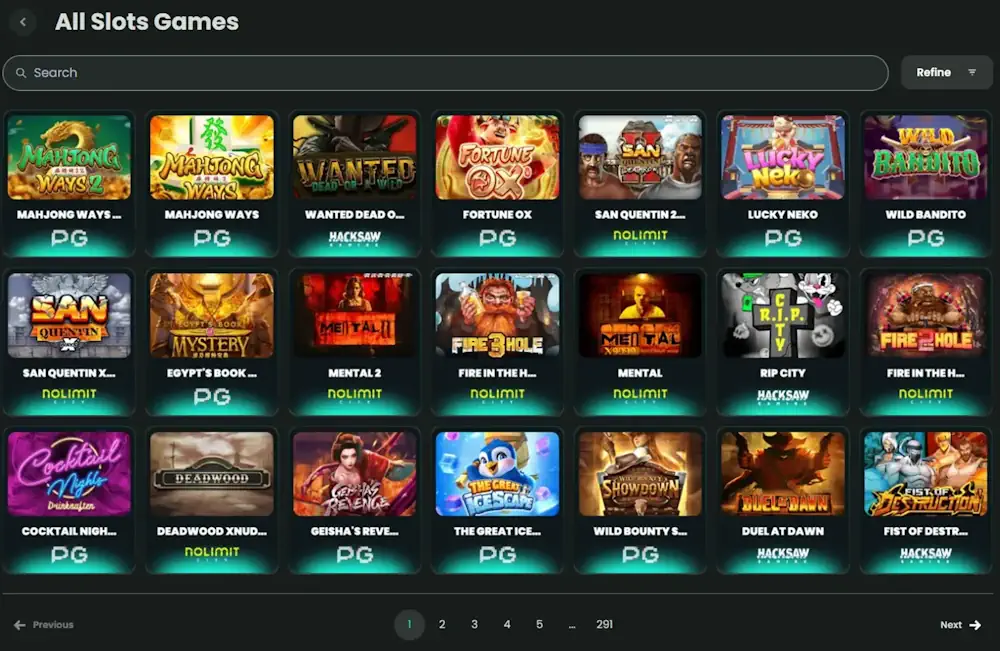
Why should I use a slot aggregator instead of going direct to providers?
An aggregator like SoftSwiss gives you instant access to thousands of games via one API and contract. Managing 20+ separate provider integrations is technically complex and contractually burdensome for a new operator.
What are the biggest hidden costs in casino software integration?
PCI DSS compliance audits cost around €25,000 initially. Annual RNG certification from labs like eCOGRA adds €15,000-€30,000. These are non-negotiable for licensure but often omitted from initial platform quotes.
Can a unified software suite really save money?
Yes, significantly. My analysis shows unified systems save over €50,000 yearly by consolidating player management, payments, and CRM. You also avoid integration headaches and data discrepancies between separate vendors.
Which metrics are most important in a backend dashboard?
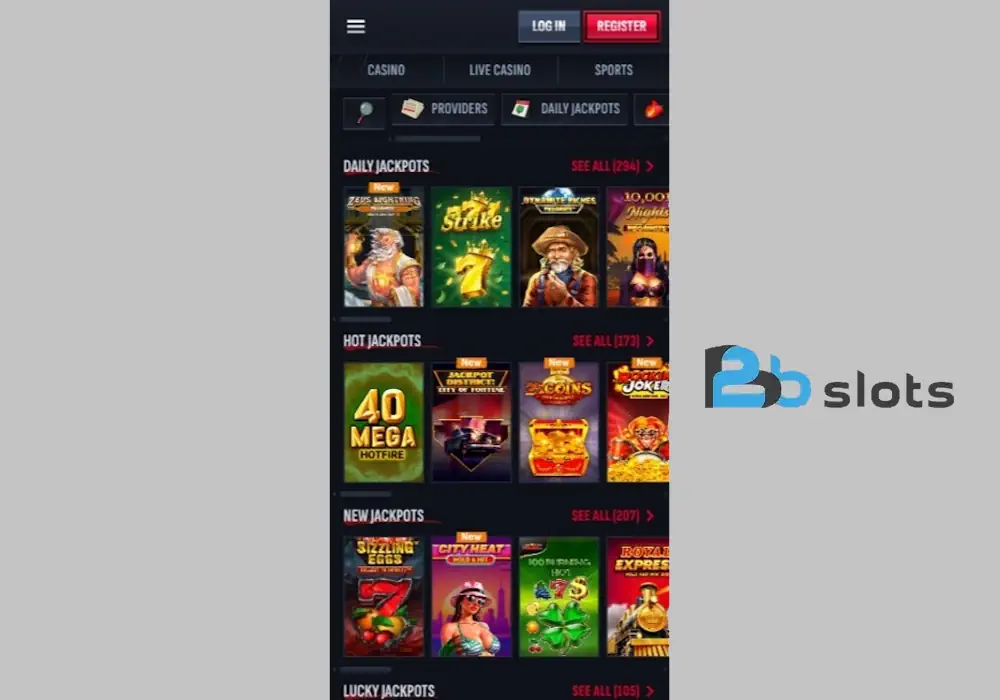
Real-time GGR per player and marketing campaign is critical. Look for a dashboard that updates every 30 seconds, not daily. This allows for live bonus adjustments and accurate, immediate campaign ROI tracking.
What uptime should I require from a platform provider?
Aim for a contractual guarantee of at least 99.95% uptime. Even 99.9% equates to nearly 9 hours of potential downtime annually, which directly translates to lost player deposits and revenue.